Precancers and skin cancers can affect people of all ages and skin tones. Most develop from long-term exposure to ultraviolet (UV) radiation from the sun.
If you notice a changing mole or a spot that does not heal, it’s time for a full-body skin evaluation at Goodskin Dermatology.
What makes a lesion “precancerous?”
A lesion is considered precancerous when it consists of abnormal cells (dysplasia) that, while not cancerous, have a high potential to become cancerous if left untreated.
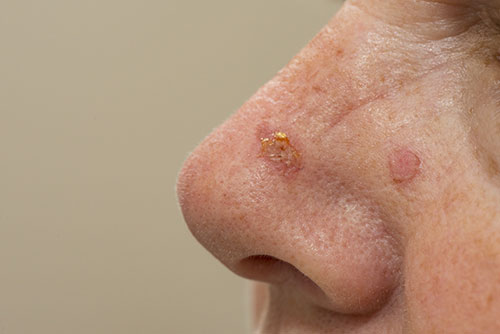
A common example of a precancerous lesion is actinic keratosis. These are rough, scaly patches that develop from long-term sun exposure, often appearing on sun-exposed areas.
How skin cancer develops
Skin cancer develops when DNA damage from UV radiation causes skin cells to grow uncontrollably. It can develop from untreated precancerous lesions or from new abnormal cell changes. Risk factors include:
- Long-term sun exposure
- Repeated sunburns
- Tanning bed or lamp use
- Family history
- A weak immune system
At Goodskin Dermatology, our skilled team carefully examines suspicious spots and performs a skin biopsy, pathology testing and diagnosis when needed to confirm results.
Warning signs that should be evaluated
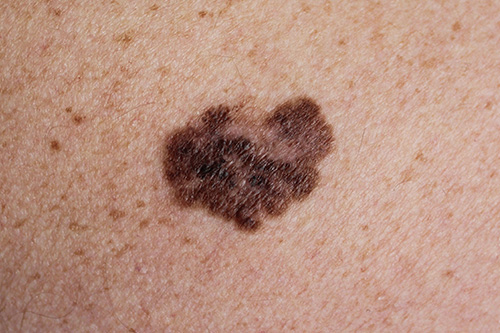
Changes in moles or spots
Watch for:
- A mole that grows or changes shape
- Uneven borders
- Multiple colors in one spot
- A new mole after age 30
- Itching, bleeding or crusting
If you notice one or more of these changes in a skin growth, seek an immediate skin evaluation as they can be signs of cancer, including melanoma.
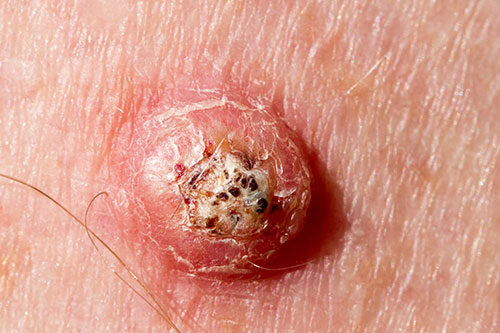
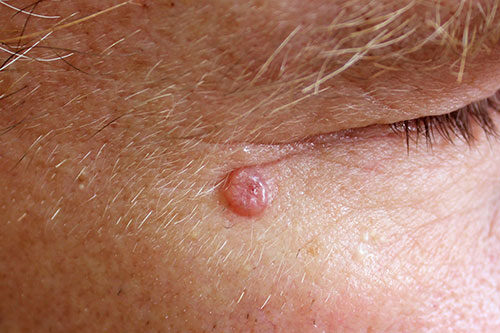
Non-healing, bleeding, or painful lesions
Get checked right away if you have:
- A sore that does not heal
- A spot the bleeds and returns
- A crusted patch that keeps coming back
- A shiny bump
- Pain or tenderness in one area
These symptoms may indicate basal cell carcinoma, squamous cell carcinoma or another skin condition.
Types of precancers and skin cancers we treat
Precancerous and skin cancer conditions
Our board-certified dermatologists combine clinical excellence with compassionate care to diagnose and treat a wide range of precancerous skin lesions and skin cancers. Below are the most common conditions we evaluate and manage.