What are skin infections and infestations?
Infection vs. infestation explained
A skin infection happens when germs grow on or in the skin and cause symptoms. Common examples include:
- Bacterial skin infection
- Fungal skin infection
- Viral skin infection
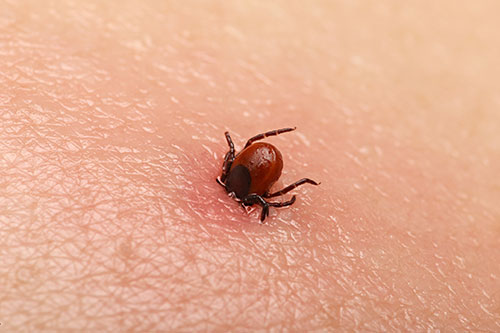
A skin infestation happens when parasites or mites live on or burrow into the skin. These conditions often cause intense itching and can spread through close contact. Examples include:
Our board-certified dermatologists carefully check your skin to find the cause of your symptoms. The right diagnosis leads to the right treatment.
If your symptoms are getting worse or not improving, we are here to help. Learn more about what skin conditions we treat or schedule an appointment.
Types of skin infections
Skin infections fall into three main groups: bacterial, viral and fungal.
Bacterial, viral and fungal infections
Bacterial skin infections
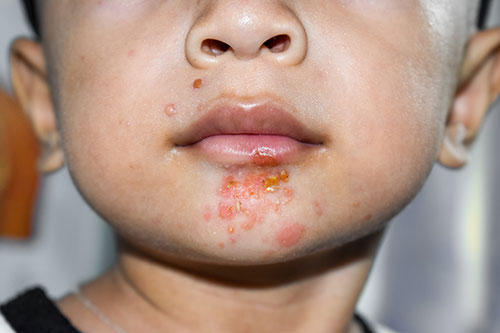
This type of skin infection happens when bacteria enter the skin through a cut, wound or hair follicle. Examples include:
Treatments focus on clearing the infection and controlling symptoms.
Viral skin infections
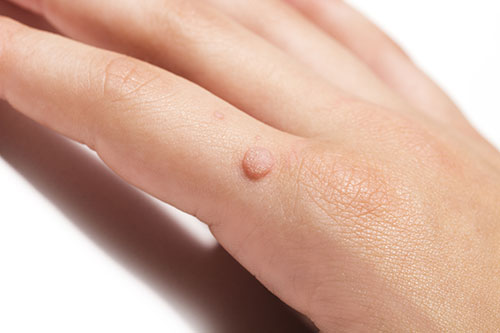
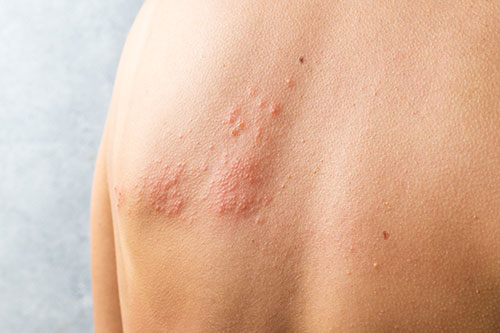
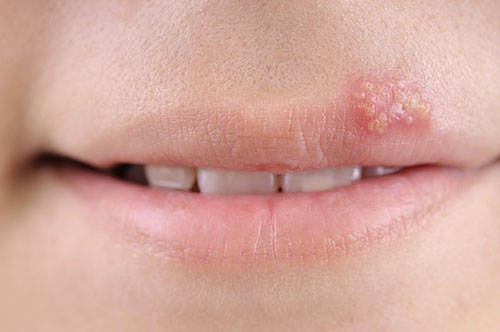
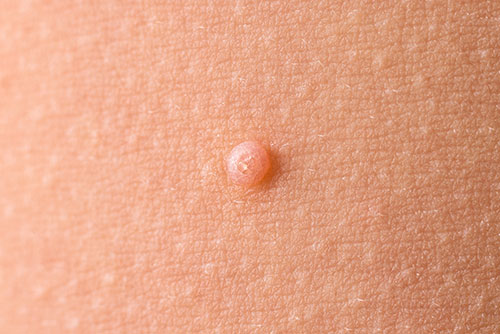
This type of skin infection can cause rashes, blisters or skin growths. Some spread through skin contact. Examples include:
- Warts
- Shingles
- Oral herpes
- Genital herpes
- Molluscum contagiosum
Treatments focus on reducing symptoms and controlling outbreaks.
Fungal skin infections
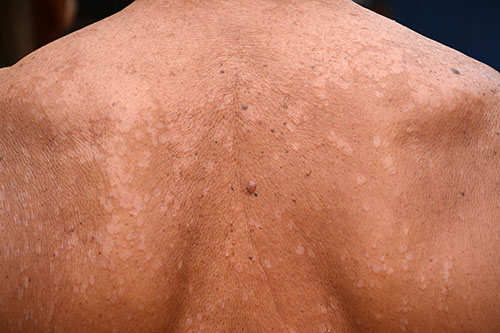
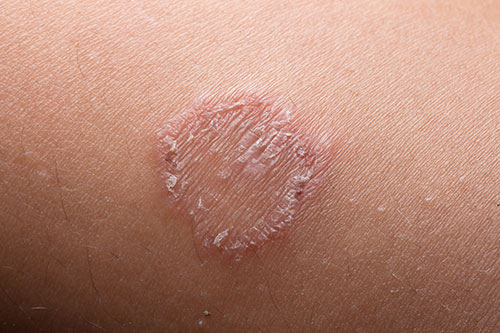
This type of skin infection grows best in warm, moist areas of the body. They can affect the skin folds, scalp and other areas. Examples include:
- Tinea
- Tinea versicolor
- Candidiasis
Antifungal medications are commonly used to treat fungal skin infections.
Common skin infestations
Parasitic skin conditions
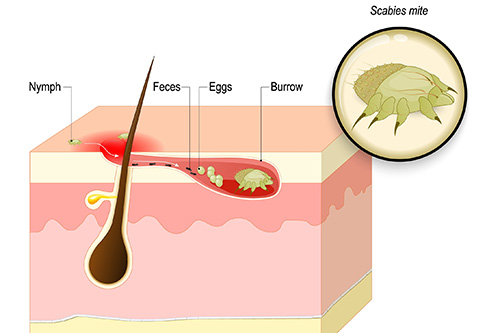
Skin infestations happen when parasites or mites live on or under the skin. Common examples include:
These conditions can spread easily and usually need prescription treatment to fully clear. Early intervention from a board-certified dermatologist can help stop the spread and relieve symptoms faster.
Symptoms that may require medical attention
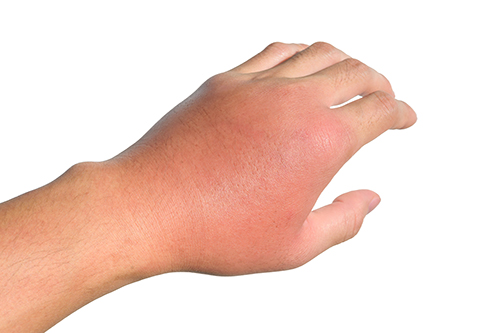
Spreading redness, pain or swelling
See a dermatologist right away if you notice one or more of the following symptoms:
- Redness that spreads
- Increasing pain or warmth
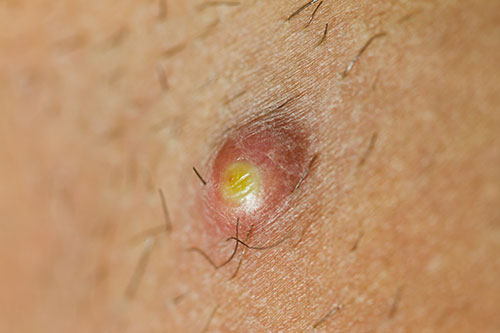
- Pus or fluid draining from the skin
- Swelling that gets worse
These signs may indicate that you have a bacterial infection that needs treatment.
Fever or worsening symptoms
Seek immediate medical care if skin symptoms happen along with:
- Fever
- Chills
- Tiredness
- Symptoms that worsen quickly
These signs may mean that the infection is more serious.
How skin infections are diagnosed and treated
Exams, testing and medications
At Goodskin Dermatology, our dermatologists diagnose skin infections and infestations by:
- Examining your skin
- Asking about your symptoms and health history
- Taking skin samples or lab tests (if needed)
- Testing for bacteria when necessary
Treatment depends on the cause and may include:
- Prescription creams or oral medications
- Antifungal or antiviral treatments
- Antibiotics
- Treatment for parasites or mites
We explain your diagnosis and treatment plan in clear, easy-to-understand terms so know what to expect at every step.
We provide complete care through medical dermatology, surgical dermatology and aesthetic dermatology, all delivered by on-site, board-certified dermatologists.