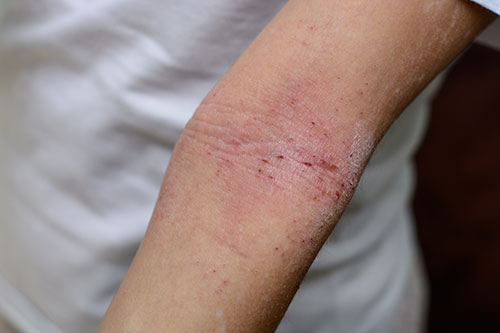
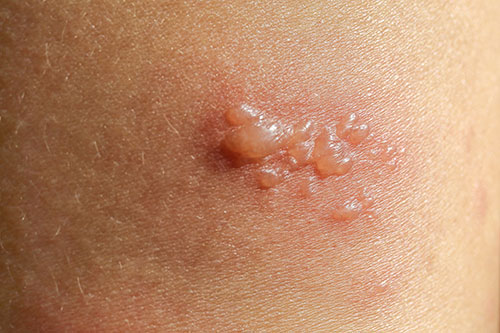
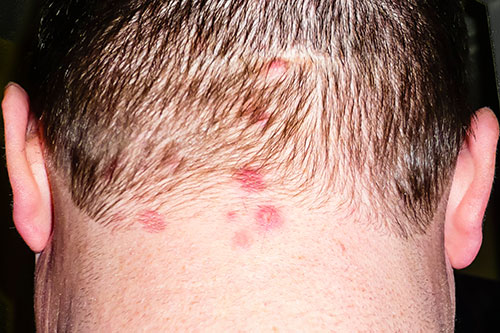
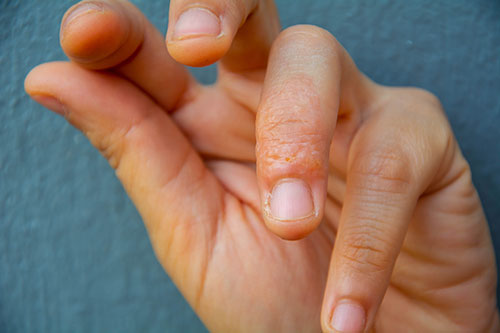
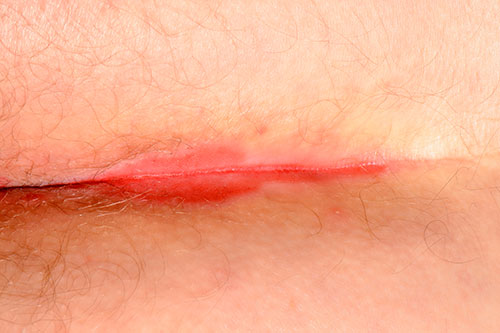
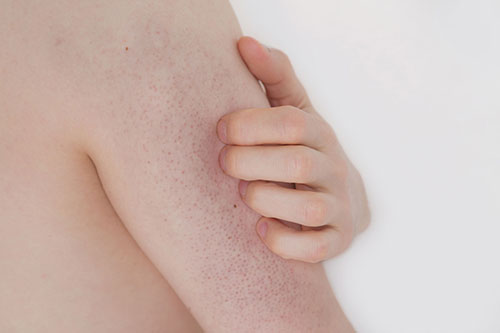
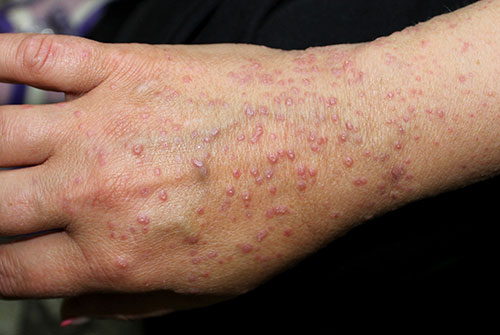
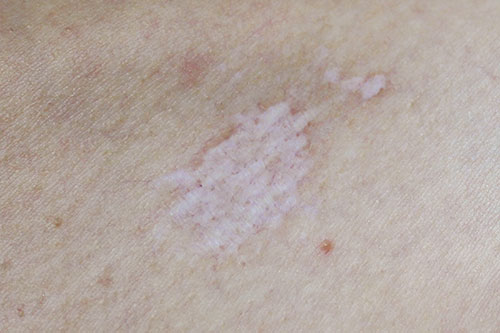
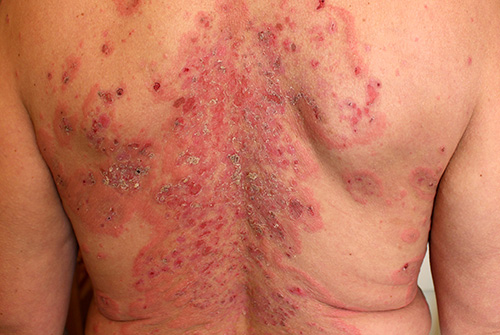
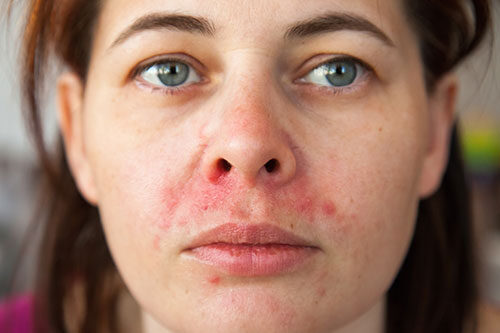
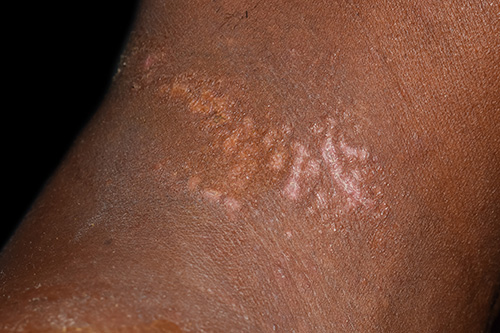
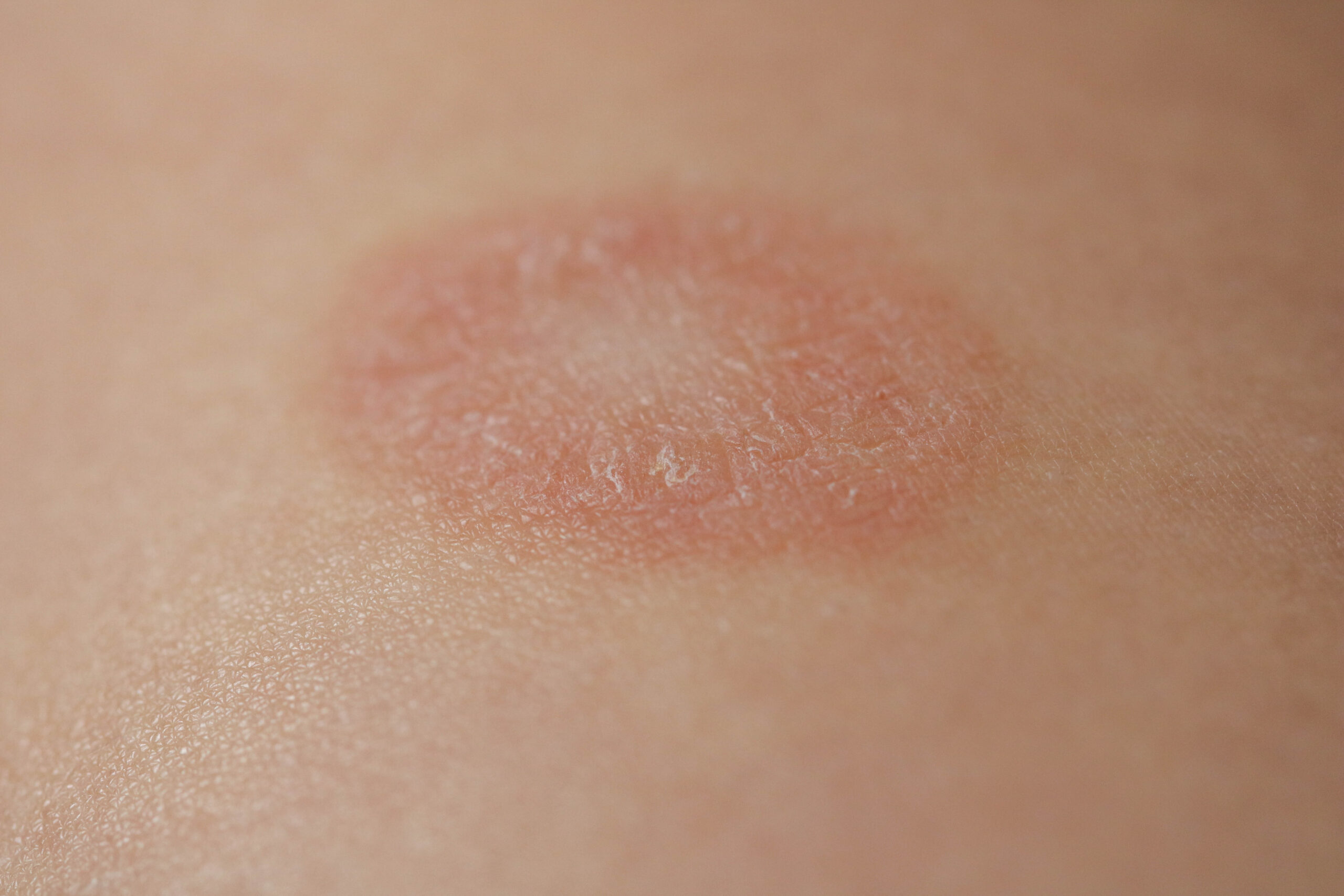
Skin conditions we treat
From common skin conditions to rare and complex disorders, our team provides expert evaluation and treatment. Learn more about each condition below or contact us today to schedule an appointment.
Browse skin conditions by name (A–Z)
Browse our full list of skin conditions below.
What is a skin condition?
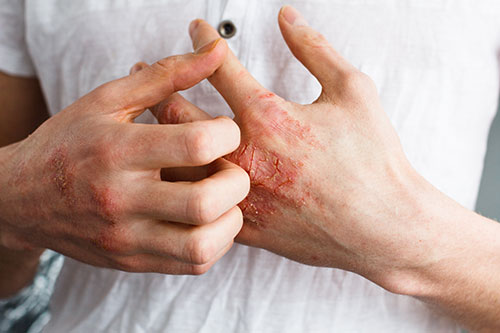
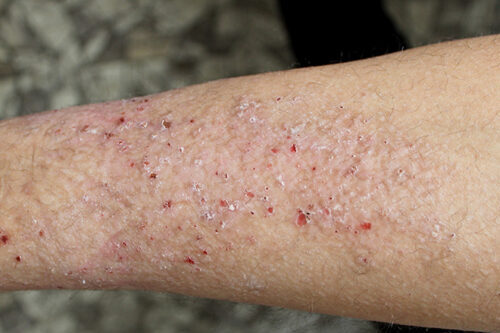
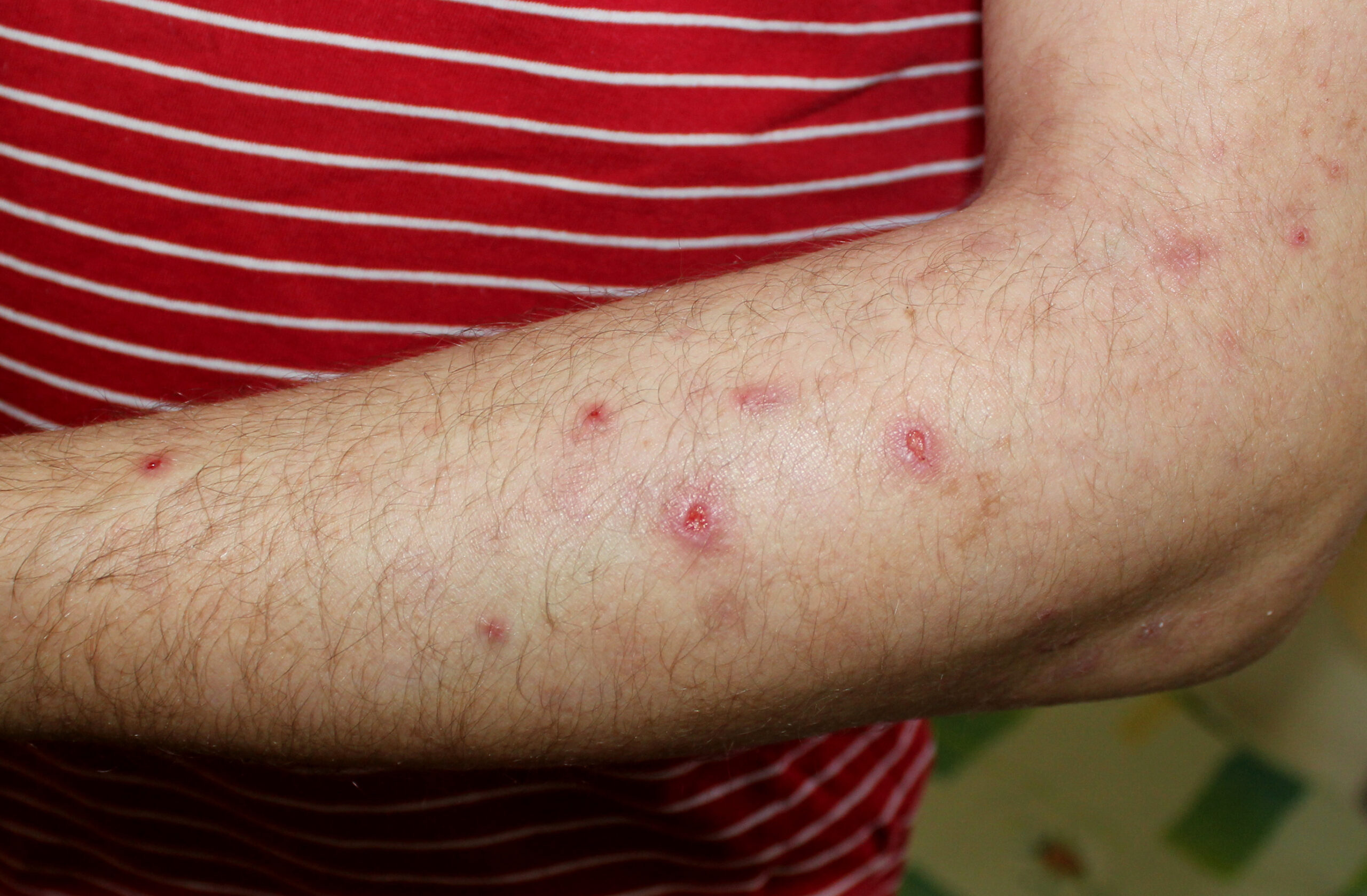
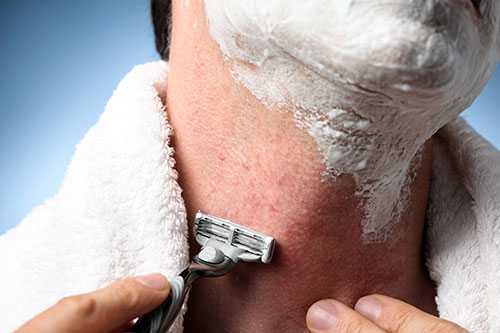
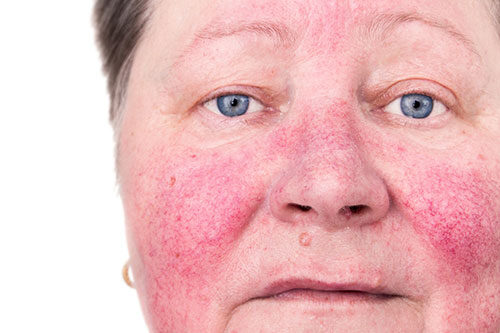
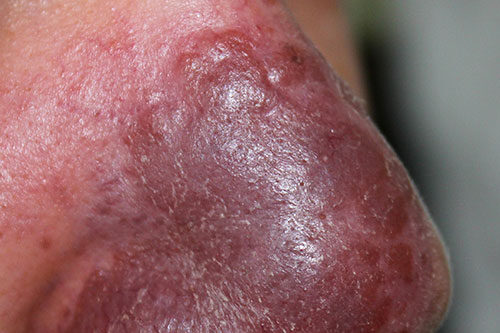
A skin condition is any change that affects the way your skin looks, feels or works. Some last for a short time, while others are long-term or chronic and need ongoing care.
Many dermatologic condition symptoms look similar. That’s why it’s so important to see a board-certified dermatologist for a clear and accurate diagnosis and proper treatment.
Common causes
Skin conditions can happen because of:
- Inflammation
The immune system overreacts, causing redness, swelling, itching or scaling - Infection
Bacteria, viruses, fungi or parasites can infect the skin - Allergic reactions
The skin reacts to products, metals, plants, medicine or environmental triggers - Autoimmune conditions
The immune system attacks healthy skin cells by mistake - Genetics
Some conditions, like eczema and psoriasis, run in families - Hormone changes
Changes during puberty, pregnancy or menopause can affect your skin
Symptoms that may indicate a skin condition
Skin condition symptoms depend on the cause. Common signs include:
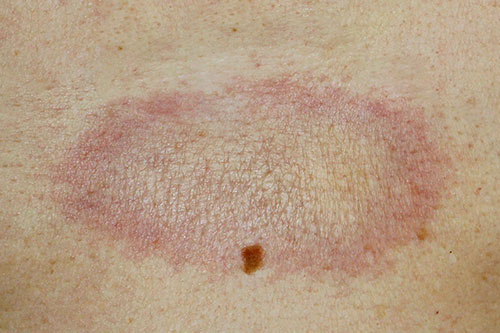
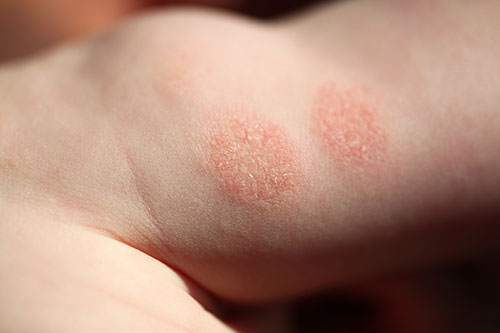
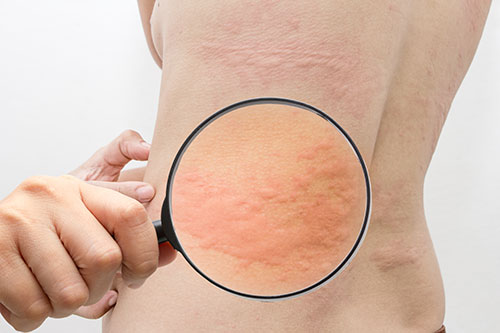
- Rash, redness or scaling that does not improve with over-the-counter (OTC) treatment
- Ongoing itching, burning or pain that may result from eczema, allergies, infections or inflammation
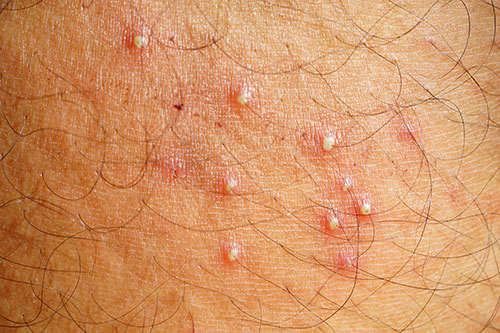
- Fluid-filled blisters, deep bumps or sores that do not heal or keep returning
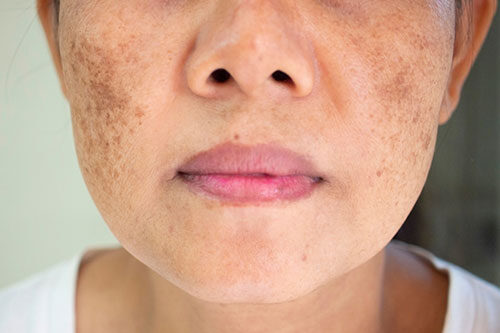
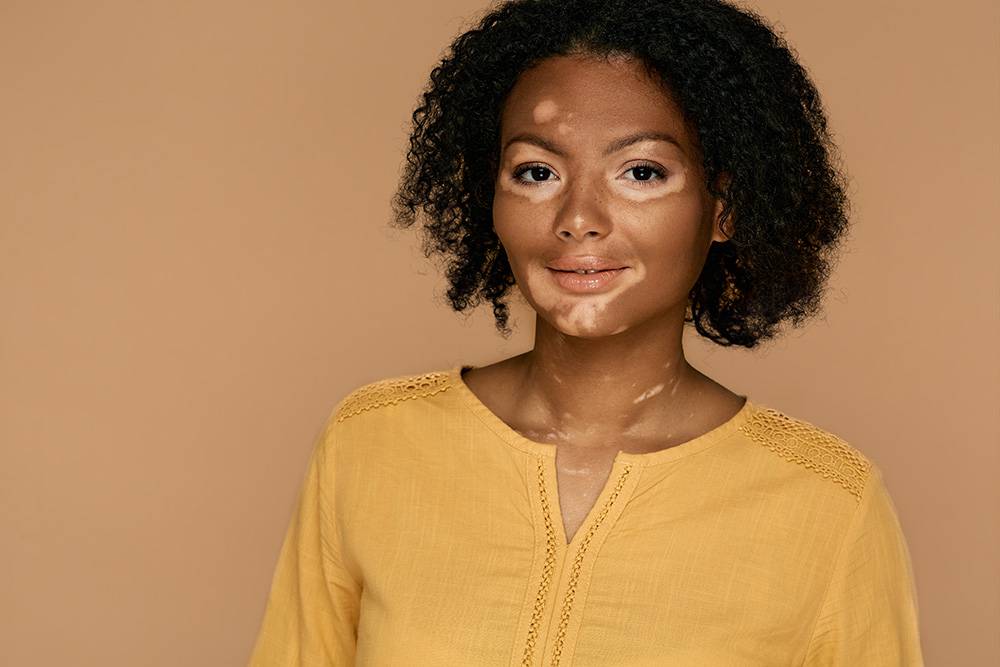
- Discoloration or pigment changes that may happen with conditions like melasma or vitiligo
If symptoms continue or get worse, schedule an appointment at Goodskin Dermatology for an evaluation.
When to see a dermatologist
Signs you should not ignore
If you notice one or more of the following warning signs, schedule a skin evaluation with our board-certified dermatologists to prevent complications and receive prompt treatment:
- A rash that spreads quickly or does not improve
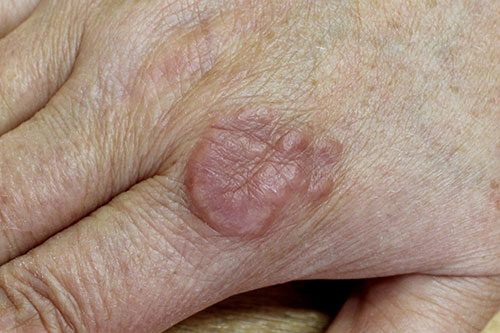
- Skin lesions that grow, bleed or change in appearance
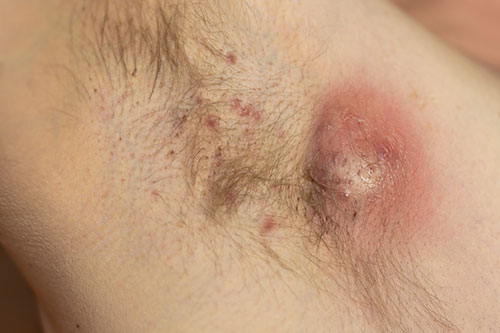
- Severe pain, swelling or signs of infection
- Symptoms that interfere with sleep or daily activities
What to expect at your visit
When you visit our office, our board-certified dermatologists will:
- Ask about your symptoms and medical history
- Check your skin carefully
- Look at possible triggers
- Order testing or a biopsy (if needed)
- Create a personalized treatment plan
We will explain your diagnosis in clear language and review your treatment options, so you understand your care plan.
At Goodskin Dermatology, we offer medical dermatology, surgical dermatology and aesthetic dermatology services to treat many types of skin conditions in one place.
Related condition categories
Precancers and skin cancers
Learn about abnormal skin growths, cancer screening and why early detection is so important. Discover the most common precancerous lesions and skin cancers we treat.
View all precancers and skin cancers we treat
Skin infections and infestations
Explore bacterial, viral, fungal and parasitic skin conditions that can cause rashes, irritation and inflammation. Learn how we diagnose and treat common skin infections and infestations.
View all skin infections and infestations we treat
Skin growths
Learn about benign growths, cysts, moles and other skin changes that may need monitoring or removal. Find out which growths should be evaluated by a dermatologist right away.
See all skin growths we treat
Hair loss
Explore common causes of hair thinning and scalp conditions that lead to hair loss. Discover treatment options from our board-certified dermatologists.
View all hair loss conditions we treat