Skin Conditions

Find Skin Conditions

Skin conditions we treat

From common skin conditions to rare and complex disorders, our team provides expert evaluation and treatment. Learn more about each condition below or contact us today to schedule an appointment.

Browse skin conditions by name (A–Z)

Browse our full list of skin conditions below.

Acanthosis Nigricans

Acanthosis nigricans presents as a darkening and velvety thickening of the skin, most commonly affecting

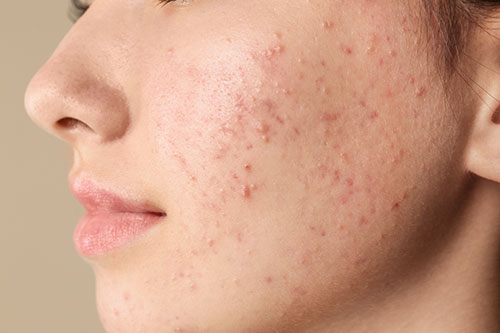
Acne

Acne is a common skin condition caused by the blockage of hair follicles by sebum

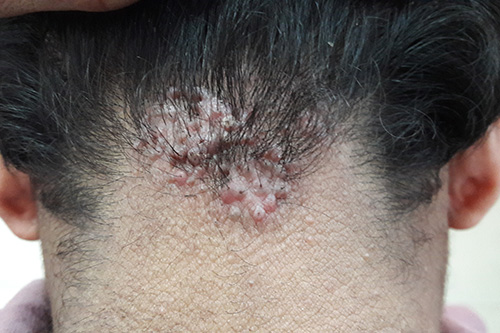
Acne Keloidalis Nuchae

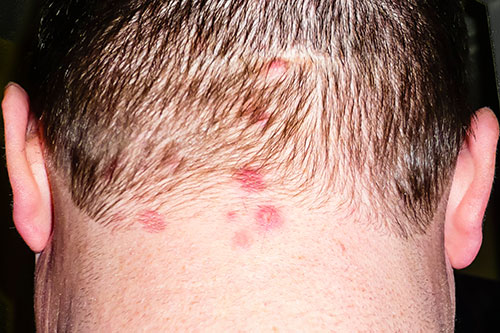
Acne keloidalis nuchae is a chronic inflammatory condition which affects mainly Black men. Affected individuals

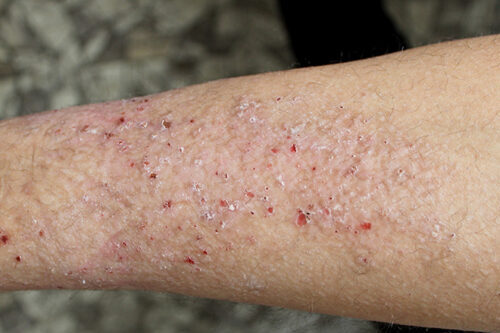
Atopic Dermatitis

Atopic dermatitis is the most common form of eczema. It is a chronic, recurring rash

Bullous Pemphigoid

Bullous pemphigoid is an autoimmune skin condition. Affected individuals complain of significant itching and can

Contact Dermatitis

Contact dermatitis is a form of eczema that develops after the skin comes in contact

Dermatitis Herpetiformis

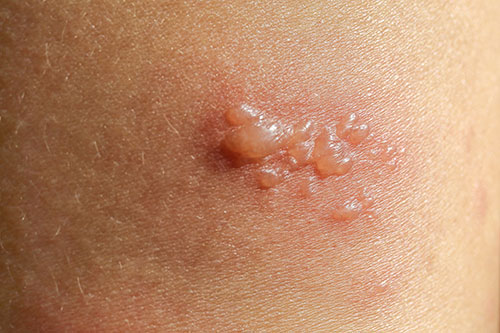
Dermatitis herpetiformis is an autoimmune skin disease that causes recurrent, intensely itchy blisters to form

Dermatomyositis

Dermatomyositis is a rare disease that causes a skin rash and muscle weakness. The skin

Dyshidrotic Eczema

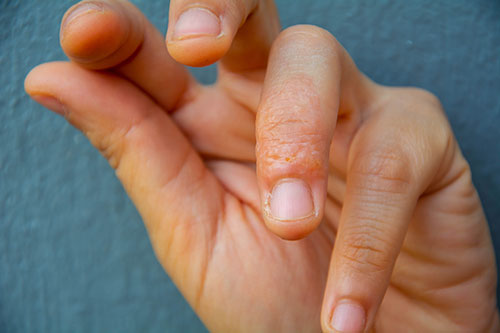
Dyshidrotic eczema is a form of eczema that manifests as intensely itchy blisters that develop

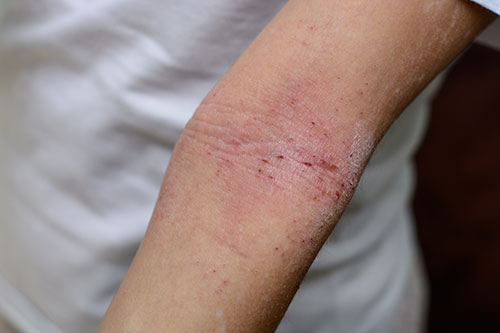
Eczema (Dermatitis)

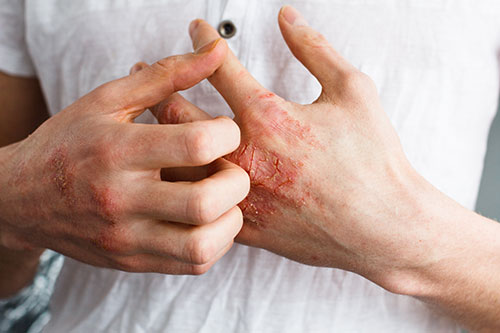
Eczema refers to a group of conditions characterized by dry, inflamed, and itchy skin. The

Folliculitis

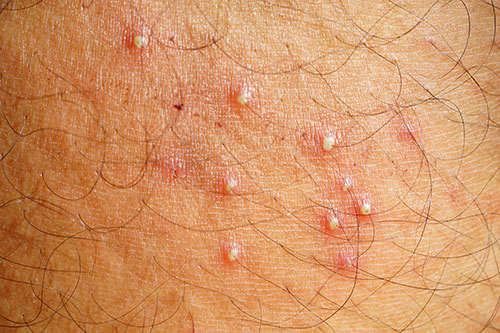
Folliculitis is the medical term for inflammation of a hair follicle. It typically presents as

Granuloma Annulare

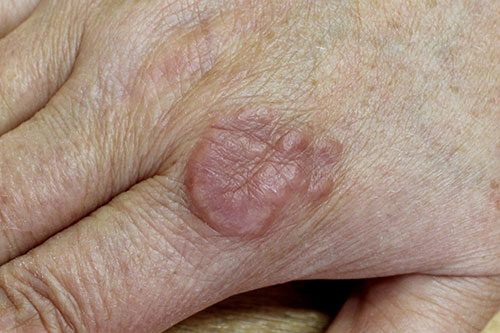
Granuloma annulare is a harmless type of skin rash that often presents with ring-shaped lesions.

Hidradenitis Suppurativa

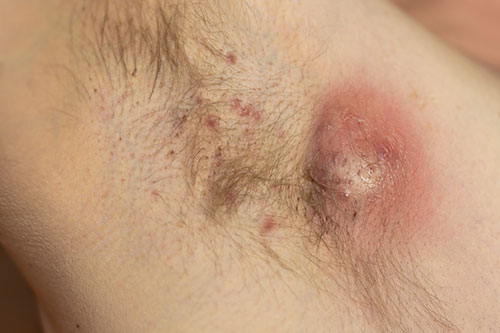
Hidradenitis suppurativa is a chronic inflammatory condition which presents with deep, painful nodules or lumps

Hyperhidrosis (Excessive Sweating)

Hyperhidrosis is another name for excessive sweating. It is classified as either primary or secondary.

Intertrigo

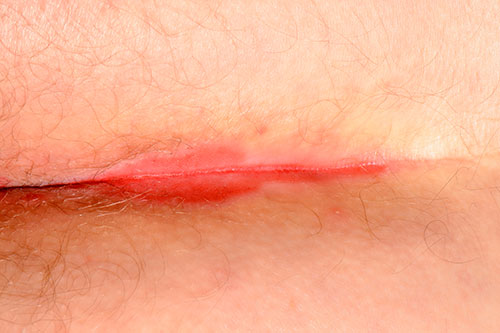
Intertrigo is a common rash found in the folds of the skin. Common areas of

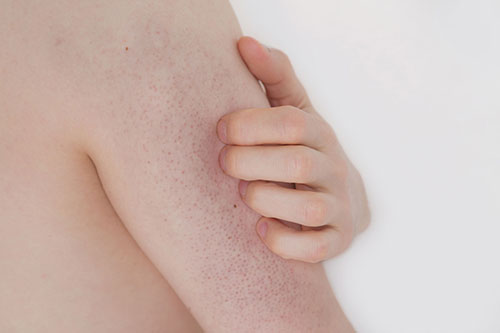
Keratosis Pilaris

Keratosis pilaris is a common skin condition characterized by rough, bumpy skin most often found

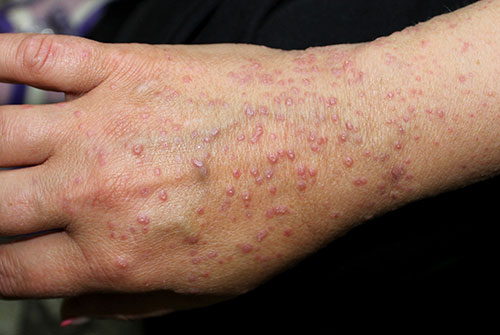
Lichen Planus

Lichen planus is an inflammatory condition that can affect the skin, hair, nails, and mucous

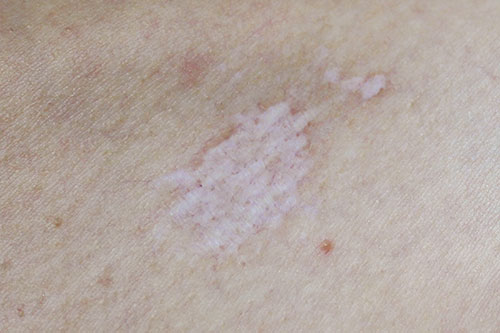
Lichen Sclerosus

Lichen sclerosus is a chronic skin condition that most commonly affects the genital skin. The

Lichen Simplex Chronicus

Lichen simplex chronicus is a condition where repeated scratching or rubbing of a site creates

Lupus

Lupus is a group of autoimmune diseases where the body’s own immune system attacks healthy

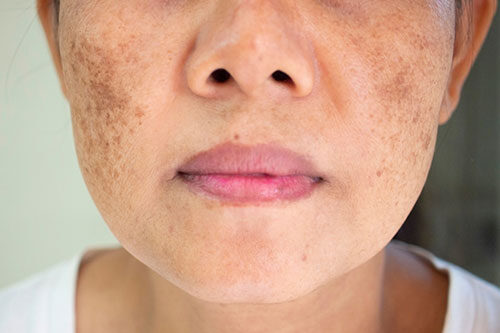
Melasma

Melasma is a common skin condition where affected individuals develop splotchy, irregularly shaped, brown patches

Morphea (Localized Scleroderma)

Morphea, also known as localized scleroderma, is a rare condition that causes scar-like changes to

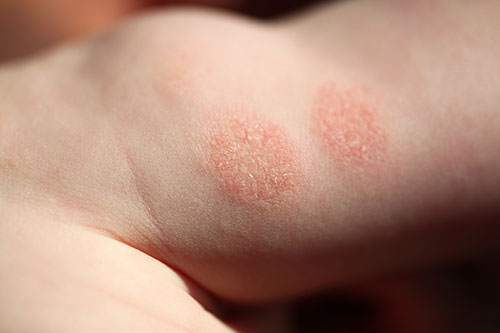
Nummular Dermatitis

Nummular dermatitis is a type of eczema characterized by intensely itchy, red, scaly, and at

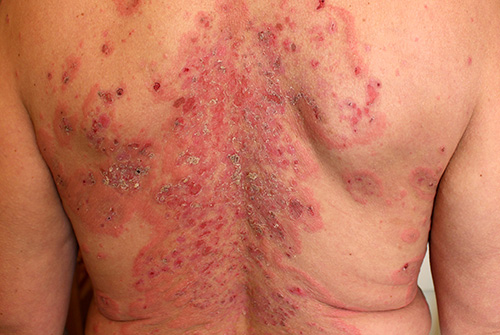
Pemphigus

Pemphigus is a rare group of autoimmune skin diseases that causes painful blisters to form

Perioral Dermatitis

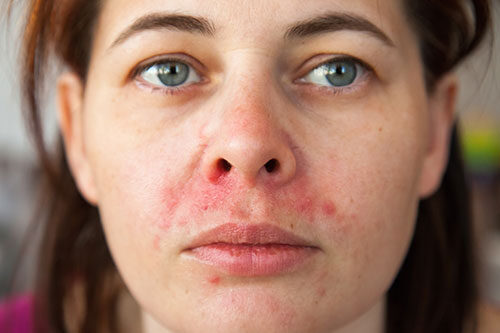
Perioral dermatitis is a type of rash that typically presents as pink papules (small red

Pityriasis Alba

Pityriasis alba is often thought of as a low grade form of eczema. It presents

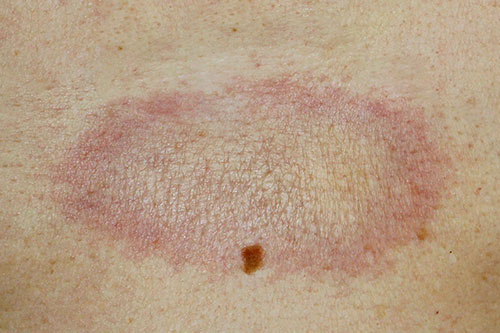
Pityriasis Rosea

Pityriasis rosea is a common, self-limited rash that typically begins with the appearance of a

Prurigo Nodularis

Prurigo nodularis is a condition where repeated scratching or picking at a site creates itchy,

Pseudofolliculitis Barbae

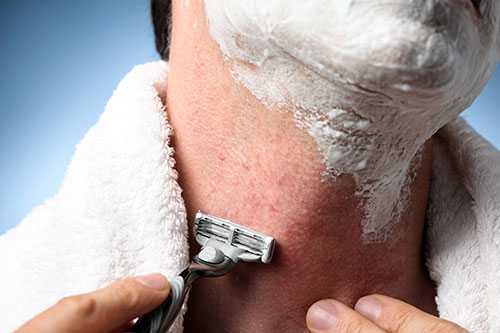
Pseudofolliculitis barbae is a chronic inflammatory condition which predominantly affects Black men. Affected individuals develop

Rosacea

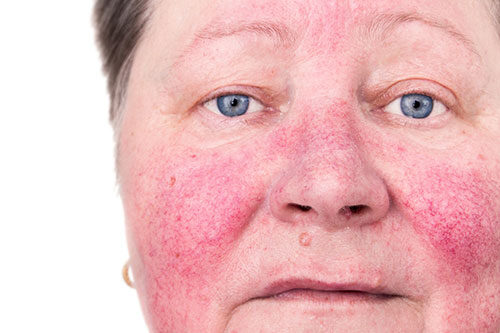
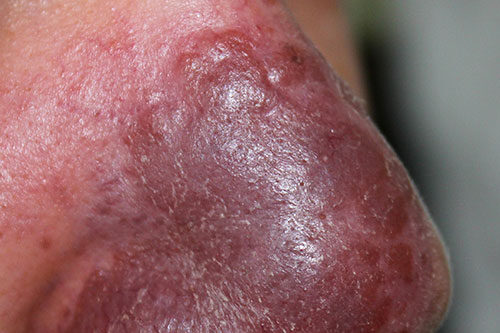
Rosacea is a common skin condition which presents with redness of the face, small visible

Sarcoidosis

Sarcoidosis is an inflammatory condition where the immune system goes into overdrive, creating clusters of

Scleroderma (Systemic Sclerosis)

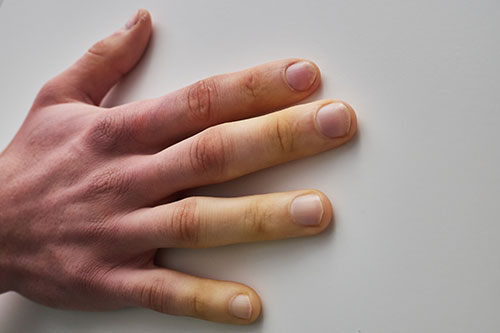
Scleroderma is a rare autoimmune condition that causes the hardening and tightening of the skin

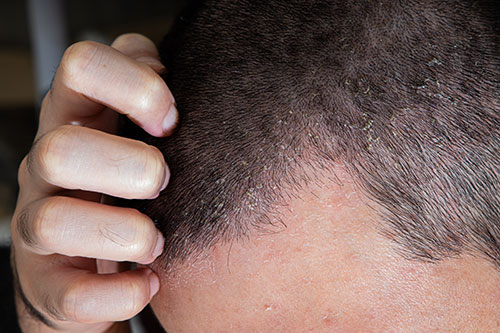
Seborrheic Dermatitis

Seborrheic dermatitis is a very common skin condition which presents with itchy, red patches of

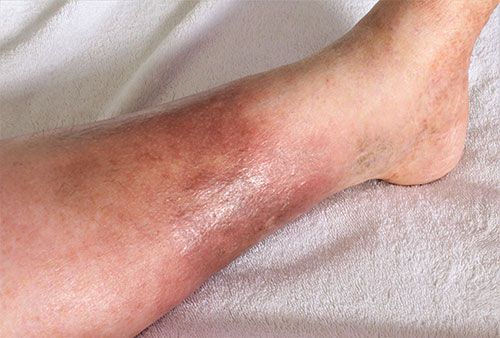
Stasis Dermatitis

Stasis dermatitis is a type of eczema that develops on the lower legs as a

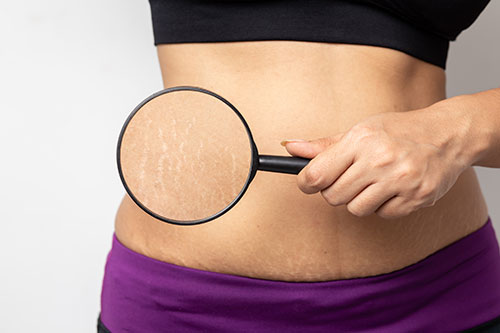
Stretch Marks (Striae)

Stretch marks are a type of scar that occurs when the skin stretches rapidly. Examples

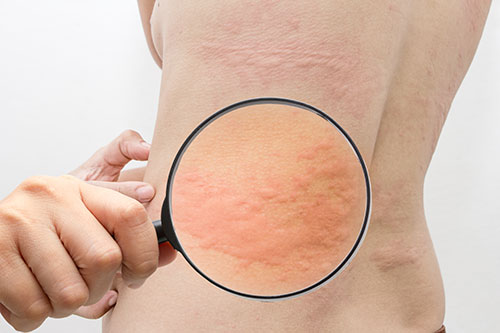
Urticaria (Hives)

Urticaria is the medical term for hives – a common skin rash which presents with

What is a skin condition?

A skin condition is any change that affects the way your skin looks, feels or works. Some last for a short time, while others are long-term or chronic and need ongoing care.

Many dermatologic condition symptoms look similar. That’s why it’s so important to see a board-certified dermatologist for a clear and accurate diagnosis and proper treatment.

Common causes

Skin conditions can happen because of:

  • Inflammation
    The immune system overreacts, causing redness, swelling, itching or scaling
  • Infection
    Bacteria, viruses, fungi or parasites can infect the skin
  • Allergic reactions
    The skin reacts to products, metals, plants, medicine or environmental triggers
  • Autoimmune conditions
    The immune system attacks healthy skin cells by mistake
  • Genetics
    Some conditions, like eczema and psoriasis, run in families
  • Hormone changes
    Changes during puberty, pregnancy or menopause can affect your skin

Symptoms that may indicate a skin condition

Skin condition symptoms depend on the cause. Common signs include:

  • Rash, redness or scaling that does not improve with over-the-counter (OTC) treatment
  • Ongoing itching, burning or pain that may result from eczema, allergies, infections or inflammation
  • Fluid-filled blisters, deep bumps or sores that do not heal or keep returning
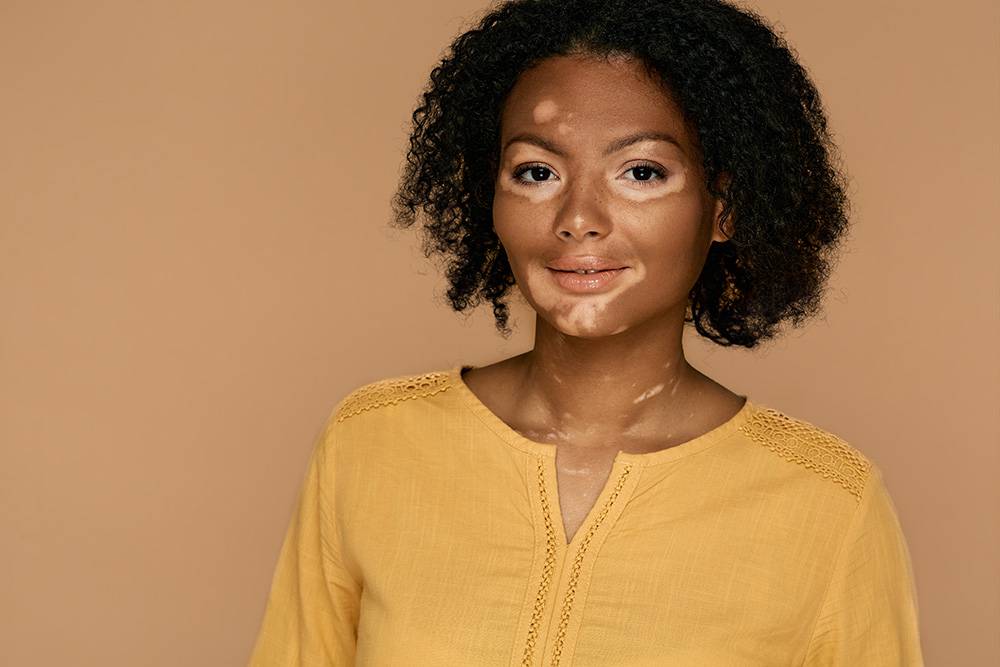
  • Discoloration or pigment changes that may happen with conditions like melasma or vitiligo

If symptoms continue or get worse, schedule an appointment at Goodskin Dermatology for an evaluation.

When to see a dermatologist

Signs you should not ignore

If you notice one or more of the following warning signs, schedule a skin evaluation with our board-certified dermatologists to prevent complications and receive prompt treatment:

  • A rash that spreads quickly or does not improve
  • Skin lesions that grow, bleed or change in appearance
  • Severe pain, swelling or signs of infection
  • Symptoms that interfere with sleep or daily activities

What to expect at your visit

When you visit our office, our board-certified dermatologists will:

  • Ask about your symptoms and medical history
  • Check your skin carefully
  • Look at possible triggers
  • Order testing or a biopsy (if needed)
  • Create a personalized treatment plan

We will explain your diagnosis in clear language and review your treatment options, so you understand your care plan.

At Goodskin Dermatology, we offer medical dermatology, surgical dermatology and aesthetic dermatology services to treat many types of skin conditions in one place.

Related condition categories

Precancers and skin cancers

Learn about abnormal skin growths, cancer screening and why early detection is so important. Discover the most common precancerous lesions and skin cancers we treat.

View all precancers and skin cancers we treat

Skin infections and infestations

Explore bacterial, viral, fungal and parasitic skin conditions that can cause rashes, irritation and inflammation. Learn how we diagnose and treat common skin infections and infestations.

View all skin infections and infestations we treat

Skin growths

Learn about benign growths, cysts, moles and other skin changes that may need monitoring or removal. Find out which growths should be evaluated by a dermatologist right away.

See all skin growths we treat

Hair loss

Explore common causes of hair thinning and scalp conditions that lead to hair loss. Discover treatment options from our board-certified dermatologists.

View all hair loss conditions we treat

FAQs about skin conditions
How do I know which skin condition I have?

Many skin conditions share similar symptoms, making self-diagnosis difficult. A board-certified dermatologist can evaluate your skin, medical history and symptoms and provide an accurate diagnosis and treatment plan.

You should see a dermatologist if symptoms last more than a few weeks, worsen, spread or cause pain or discomfort. Early intervention and effective treatment help prevent complications.

Some skin conditions caused by bacteria, viruses or fungi can be contagious because they are spread through contact. However, many conditions like eczema, psoriasis and autoimmune disorders are not contagious.

While some conditions can be cured with proper care, chronic conditions are managed long term to help reduce symptom severity and prevent flare-ups.

Bring a list of current medications and skin products, photos of flare-ups, notes about symptom timing and information about possible triggers. These details can help your dermatologist make an informed and accurate diagnosis.